

By Lara
What to Consider When Planning Your Ideal Utility Room
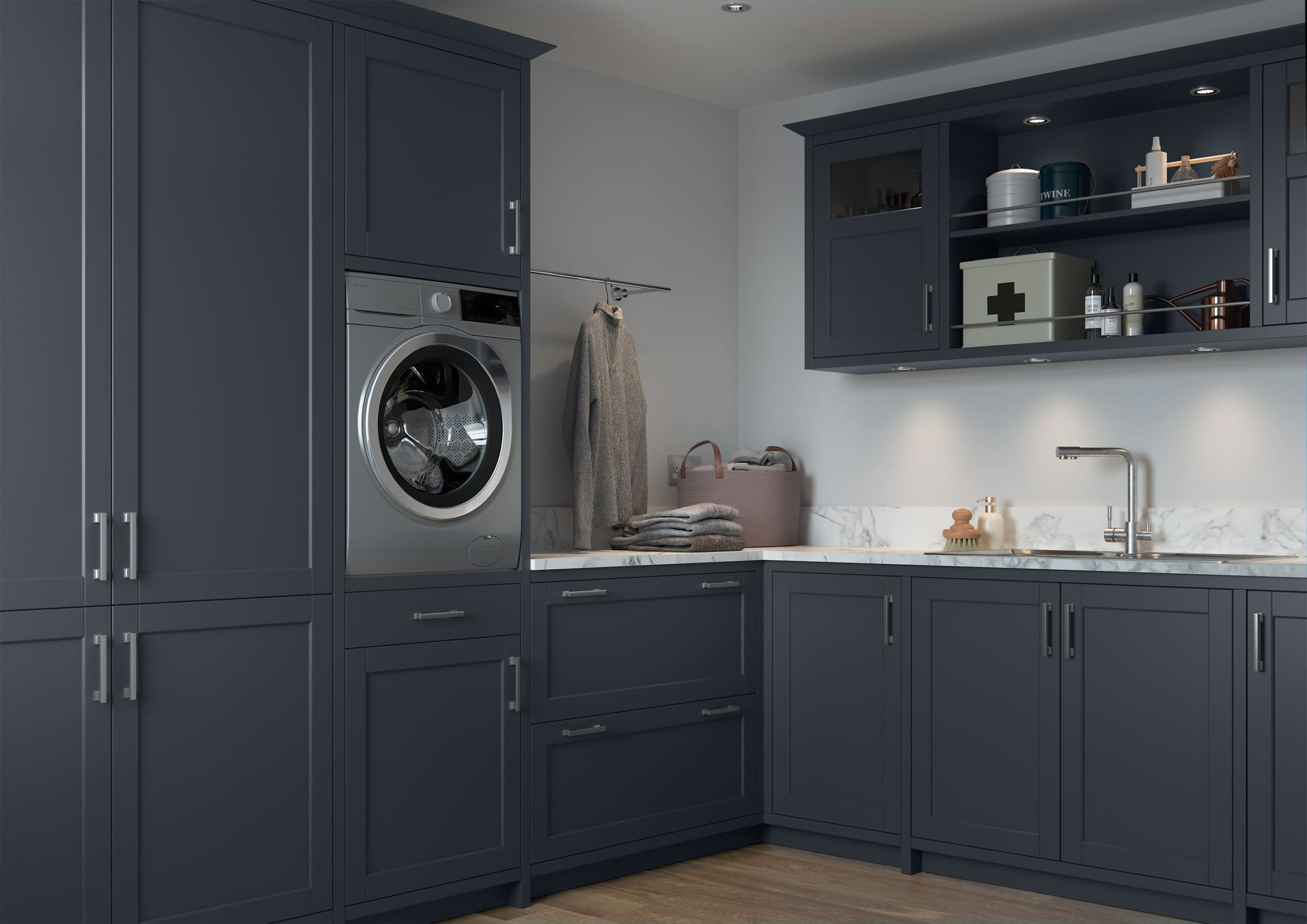
A utility room is a space within the home created for carrying out day-to-day tasks, such as laundry, and housing those larger household appliances. Utility rooms were considered a luxury, but they are becoming more popular in homes because they are dedicated to housing the major appliances and performing tasks that might be noisy or messy if done in other parts of the home.
This room is typically designed for functionality, emphasising practicality and efficiency. They can be an exciting addition to a household, as their main function is to give you a separate space to have some of the appliances or storage you may not want to have in the kitchen or the rest of your home, making them the perfect space for today’s busy families. Although utilities are a functional and sometimes ‘messy’ room (a space to close the door on and keep hidden from the rest of your house) they can be designed to be aesthetically pleasing and be a stylish addition to your home.
What Do You Want to Include in Your Utility Room?
One of the first things that should be considered when planning a utility room is the ‘wish list’ of what it should contain. For many homes, the utility is usually a much smaller room in comparison to the rest of the house, so it is very important to make sure the space is maximised and designed carefully to take advantage of what can be fitted into the area. Some of the common requirements of a utility can be the following:
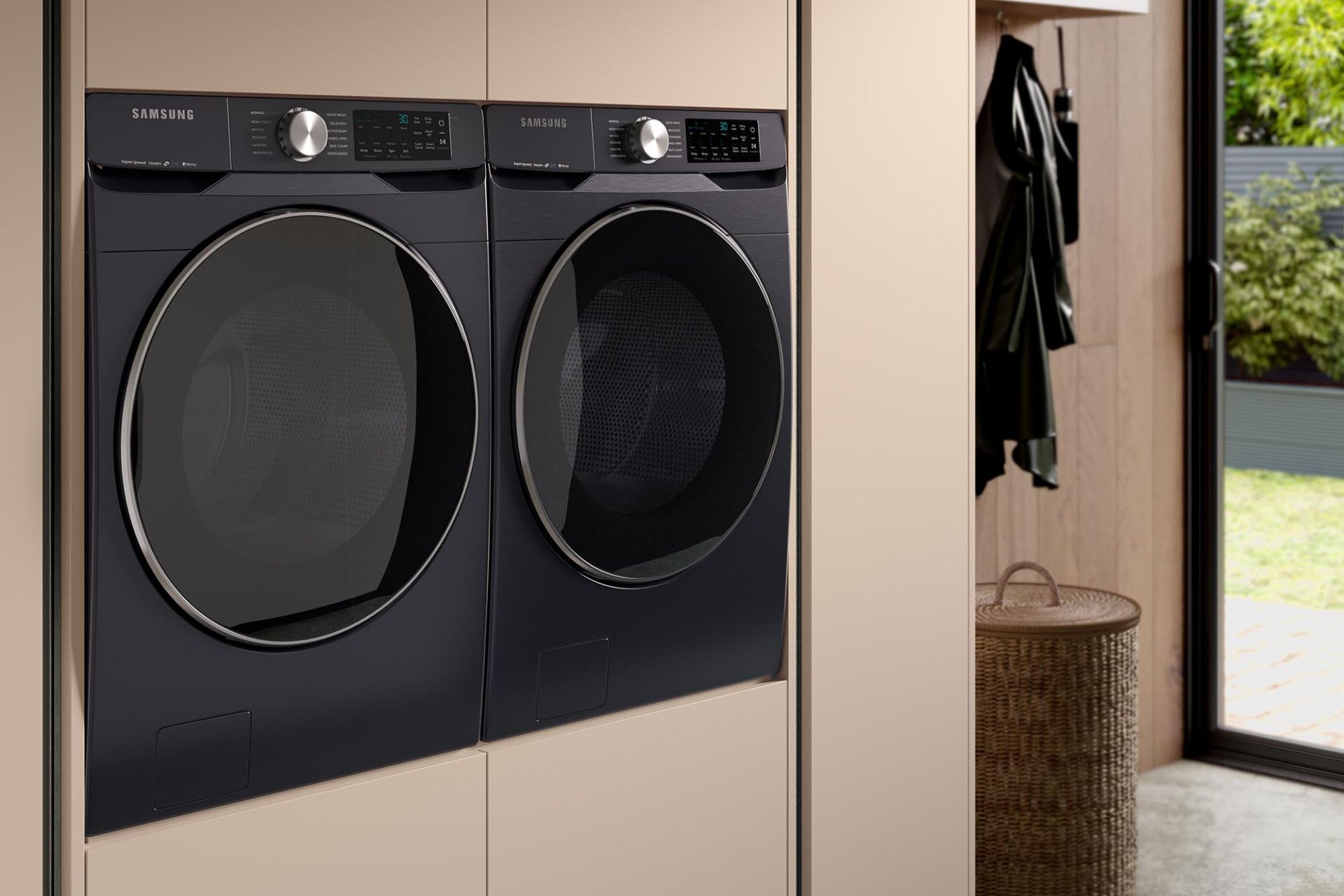
Washing Machine and Tumble Dryer– These are the most common appliances found in utility rooms, providing a convenient place for laundry without cluttering other areas.
Sink & Tap – A larger sink for hand-washing clothes or other cleaning tasks is often installed.
Broom Cupboard – Shelving and cabinets for storing cleaning supplies, household items, tools, and sometimes bulk groceries.
Overspill Fridge or Freezer – Depending on the size, some utility rooms also house freezers, or extra refrigerators, saving space in your kitchen.
Boilers and Water Heaters – Incorporating a boiler and water heater into your utility room saves space and centralises your home’s heating and hot water systems, making maintenance more convenient and improving energy efficiency.
Ironing Board Cupboard – A designated space for an ironing board and iron for clothes straight out of the dryer
Storage Options – Shelving units, cabinets, and hooks can be included to maximise the potential of your utility room.
These are often factored into utilities, although this list should be appropriate to the size of the space. Additional or overspill kitchen storage is also often considered for utilities, as in many homes the utility is in a nearby area to the kitchen.
How Will You Use the Space?
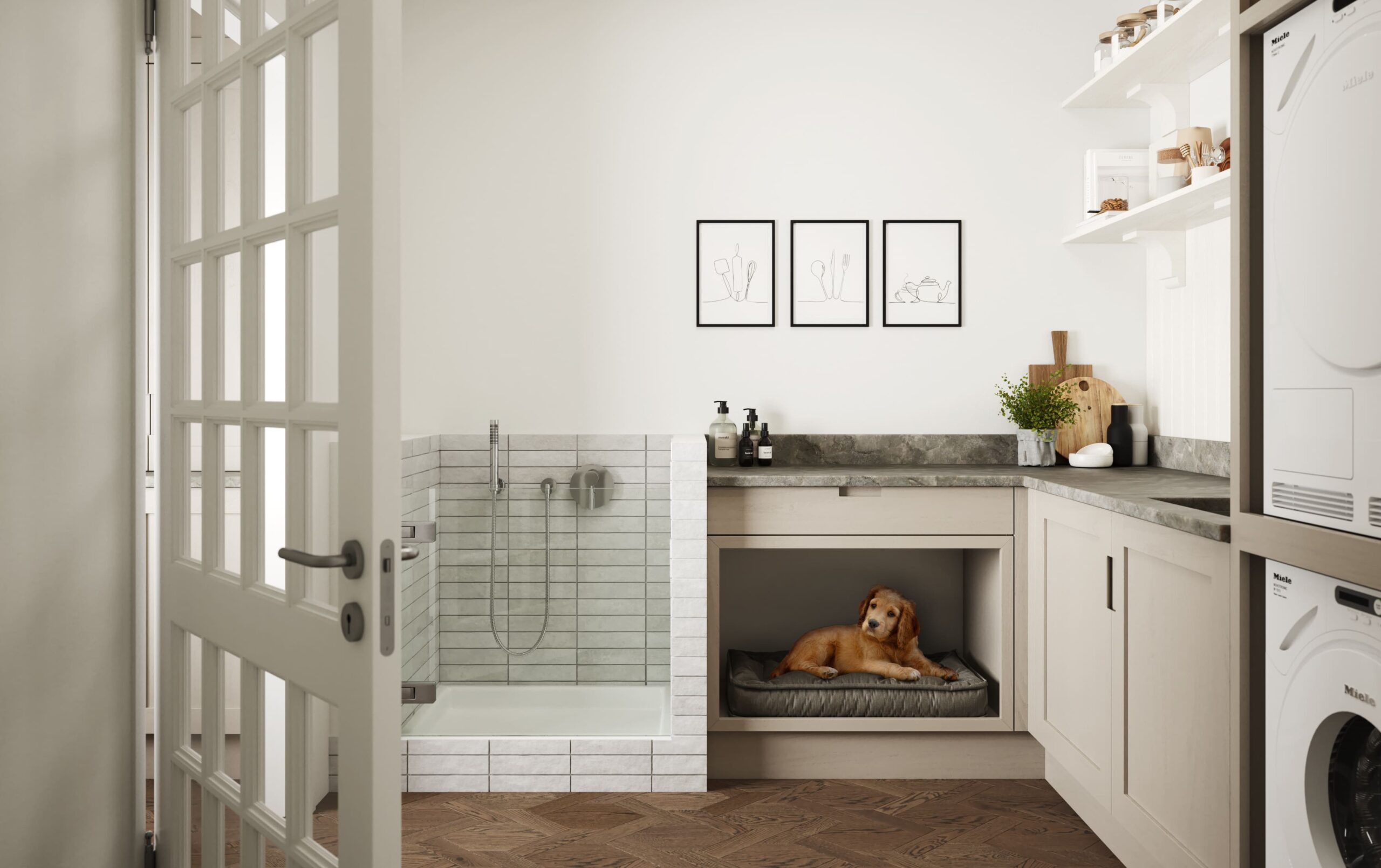
Another aspect that people quite like to consider when designing a utility is whether the room will serve as a boot room. A boot room usually has a back door and can be used as a space for dressing/undressing for the garden or outside. You will commonly find a shoe storage space and coat hanging area in a boot room, potentially with a seating section to sit and put shoes on. For those households with pets, utility is also a useful area. Homes with dogs or cats will often have feeding areas, litter trays or even beds if the space allows. Relating back to the utility room being considered more as a ‘functional’ room, having bowls with food or water on the floor can be inconvenient in a main area such as a kitchen or living room. The utility can be the perfect out-of-sight place for things like this.
What are the Benefits?
A utility room can be a great addition to your home’s value, both in cost and practicality. With extensions becoming a more and more common request, many families or busy homes look to add these into the footprint as they are considered a real asset to the property. For families that produce a lot of laundry, it can be a place to either keep piles of washing, both dirty and clean out of sight. If you are not living in a house where you see yourself in forever, it is worth considering the potential for a future buyer and a utility room can be a real selling factor.
Can I have a Utility Room Upstairs?
The layout of your home can be flexible!The automatic assumption is that a utility room would be located downstairs and near to the kitchen, which is certainly a location that works well if you are wanting to double up the usage of the space to be a boot room. But this can be planned more so because of where water and waste supplies are located. But what about upstairs?
There are some instances in which a utility can work well upstairs. In a household where there is a spare small room, or perhaps if hanging rails are used for drying as opposed to putting washing outside to dry, an upstairs location can make a lot of sense. Clothes are removed upstairs, and it is common for laundry baskets to be kept upstairs in bedrooms, dressing rooms or on landings. Locating the utility area upstairs means not having to repeatedly take washing baskets up and down stairs, but washing can be done, dried, ironed if necessary and put away all within a nearby zone.
Any Other Considerations
The important thing to remember is that a utility is as unique as the rest of the rooms in your home. It can be tailored to suit your personal and individual requirements and if it suits you well, there are no ‘rights and wrongs’. It is vital to consider technical elements, such as ‘do I have water and a waste pipe in the area’ but if the fundamentals of water can be met, the world can be your oyster when it comes to where and how to best lay out the space.
Be creative, be brave and listen to your unique needs. If you do this, you really can’t go wrong! Although a utility room is only small, there are plenty of factors to consider both financially and logistically. If you would like to discuss your plans with our expert team, we are more than happy to help. Please call us on 01634 799 909 or email design@ream.co.uk